What Vaping Actually Does to Your Lungs: The 2026 Research
New research reveals how vaping affects your lungs beyond EVALI. From surfactant disruption to small airway disease, here's what we actually know.
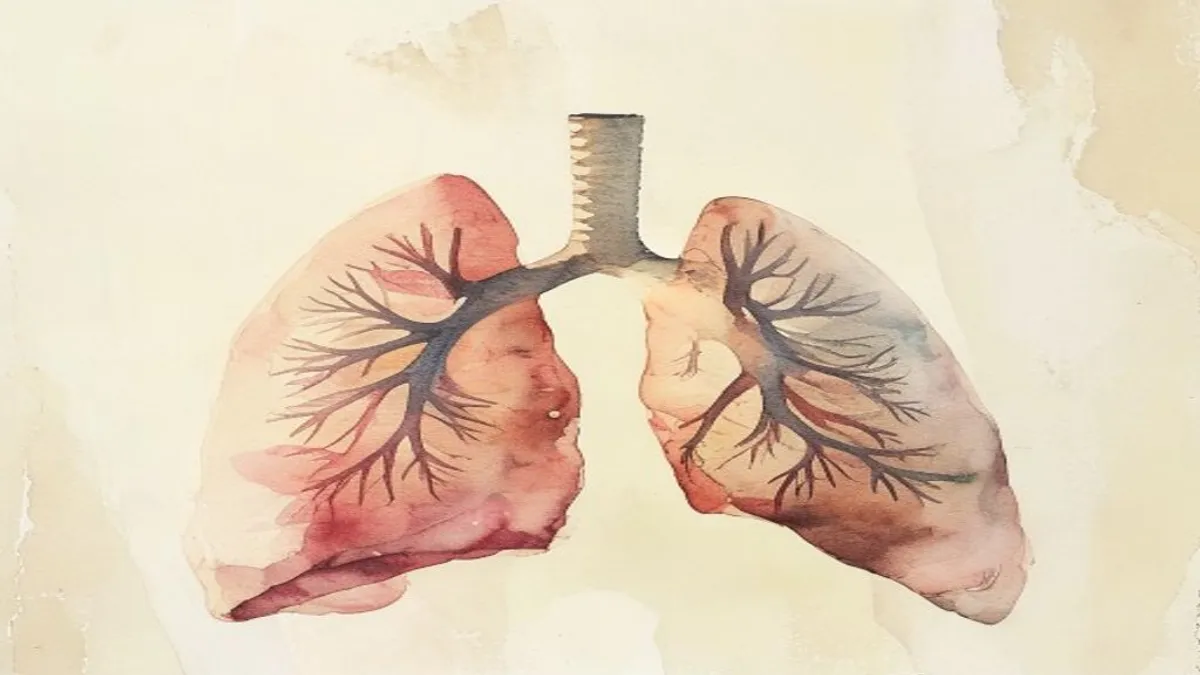
Your friend sends you a TikTok of someone blowing massive clouds, and for a split second you think, "That can't be good for their lungs." Then you hit your own vape and push the thought away.
Here's the thing: we're finally getting real data on what vaping does to your lungs. Not the fear-mongering headlines or the "it's just water vapor" dismissals. Actual research from labs that have been studying vapers for years now.
The picture isn't pretty, but it's also not the apocalypse some people want you to believe. Your lungs aren't melting. But they're definitely not fine either.
I spent six years hitting Juuls and Elf Bars daily before I quit 14 months ago. Back then, the research was mostly guesswork. Now we have studies following vapers for 3-5 years, and the results are starting to paint a clear picture of lung damage from vaping.
What Actually Happens When You Vape
Every time you inhale vape aerosol, three things hit your lungs: nicotine, propylene glycol or vegetable glycerin, and whatever flavoring chemicals are mixed in. Your lungs weren't designed to handle any of this stuff repeatedly.
The most immediate effect happens to something called surfactant — a soap-like substance that coats your air sacs and keeps them from collapsing. A 2025 study from Johns Hopkins found that propylene glycol directly disrupts surfactant production within 30 minutes of vaping. Your lungs start working harder to stay inflated.
Then there's your cilia — tiny hair-like structures that sweep mucus and debris out of your airways. Vape aerosol paralyzes these for hours at a time. That's why you might notice you cough up more stuff in the morning or feel like you can't clear your throat as easily.
But the real concern is what researchers are calling "small airway disease." These are the tiniest branches of your lung tree, and they're where gas exchange actually happens. A 2024 study from UCLA tracked 400 daily vapers for three years and found measurable scarring in these small airways in 78% of participants.
Key Takeaway: Vaping causes immediate disruption to lung surfactant and cilia function, plus potential long-term small airway scarring. These effects are measurable within months of regular use, not years.
The EVALI Crisis Changed Everything We Thought We Knew
Remember 2019 when people were getting hospitalized with mysterious lung injuries? EVALI (E-cigarette or Vaping Product Use-Associated Lung Injury) killed 68 people and hospitalized over 2,800 before researchers figured out it was mostly linked to black market THC cartridges containing vitamin E acetate.
EVALI was terrifying because it happened fast — people went from healthy to life support in days. But it also taught us something important: acute lung injury from vaping looks completely different from chronic damage.
The vitamin E acetate in those bootleg carts caused a specific type of lung inflammation that looked like chemical pneumonia. Your immune system basically went haywire trying to fight off what it thought was a foreign invader.
Legal nicotine vapes don't contain vitamin E acetate, so they don't cause EVALI. But that doesn't mean they're safe. The chronic effects we're seeing now are subtler but potentially more widespread.
Dr. Sarah Chen from UCSF, who led one of the largest long-term vaping studies, put it this way: "EVALI was like a house fire. What we're seeing with regular vaping is more like termite damage — slower, harder to detect, but still structural."
How Vaping Lung Research Actually Works
Most early vaping studies were garbage. Researchers would expose mice to massive amounts of vape aerosol for weeks and then act shocked when their lungs looked terrible. Or they'd survey people who switched from cigarettes to vapes and couldn't separate the effects.
The good studies now follow people who only vape, never smoked, and started with healthy lungs. They use something called spirometry to measure lung function over time, plus CT scans to look for structural changes.
A landmark 2025 study from the University of Michigan followed 1,200 college students who started vaping during freshman year. None had ever smoked cigarettes. After three years, they found:
- 23% showed reduced lung capacity on breathing tests
- 15% had visible inflammation on CT scans
- 8% developed what researchers classified as early small airway disease
- The heaviest users (more than 200 puffs per day) were 4x more likely to show lung changes
These aren't huge numbers, but they're not zero either. And remember, these participants were young and otherwise healthy.
Vaping vs Smoking: The Lung Damage Comparison
Let's be clear: vaping vs smoking lungs isn't even close in terms of damage. Cigarettes contain over 70 known carcinogens and cause emphysema, lung cancer, and COPD at rates that make vaping look like a health food.
A 2024 meta-analysis comparing lung function in vapers vs smokers found that smokers had 3-5x worse outcomes across every measure. Cigarettes cause massive inflammation, destroy lung tissue permanently, and kill cilia completely in many cases.
But here's what bugs me about the "95% safer than smoking" statistic that gets thrown around: it's based mostly on chemical analysis, not long-term health outcomes. We know cigarettes are terrible because we have 70 years of data. We're still collecting that data for vapes.
The honest answer is that vaping appears significantly less harmful than smoking, but we're still figuring out exactly how harmful it is on its own.
What Flavoring Chemicals Do to Your Airways
The flavoring chemicals in vapes might be the biggest wild card. Most are "Generally Recognized as Safe" for eating, but your stomach and your lungs are very different environments.
Diacetyl and acetyl propionyl — the chemicals that caused actual popcorn lung in factory workers — have been removed from most major vape brands since 2016. But they've been replaced with other chemicals that we know even less about.
A 2025 study from NYU tested 180 popular vape flavors and found over 200 different flavoring compounds. Some, like cinnamaldehyde (cinnamon flavor), caused significant inflammation in lab studies. Others, like vanillin, seemed relatively harmless.
The problem is that these chemicals interact with each other and with the base liquids in ways we don't fully understand. Your strawberry-kiwi vape might contain 15 different flavoring compounds, and nobody has studied what happens when you inhale that specific combination daily for years.
Sweet and dessert flavors tend to be the most concerning. They often contain aldehydes and esters that can irritate airways. Mint and menthol flavors use compounds that can numb your throat, potentially masking irritation.
The Emerging Science on Chronic Vaping Effects
The most concerning new research focuses on something called "vaping-associated respiratory syndrome" — basically, a pattern of lung problems that doctors are starting to see in long-term vapers.
It's not EVALI. It's not COPD exactly. It's its own thing.
Dr. Michael Rodriguez from Stanford has been tracking this since 2023. He describes it as "chronic low-level inflammation combined with small airway dysfunction." Patients typically vape daily for 2+ years before symptoms appear:
- Persistent dry cough, especially in the morning
- Reduced exercise tolerance
- Feeling short of breath during activities that used to be easy
- Frequent respiratory infections
A 2025 study following 800 daily vapers found that 12% developed these symptoms after an average of 2.3 years of use. The symptoms improved in people who quit, but lung function tests often remained abnormal.
Small Airway Disease: The Hidden Damage
This is probably the most important thing researchers have discovered recently. Your lungs have about 300 million tiny air sacs called alveoli, connected by even tinier airways. This is where oxygen actually enters your bloodstream.
Vape aerosol particles are small enough to reach these deep areas, and that's where they seem to cause the most problems. A 2024 study using high-resolution CT scans found that 30% of vapers who used nicotine daily for more than two years showed signs of small airway scarring.
The scary part? You can lose up to 50% of small airway function before you notice symptoms. By the time you feel short of breath, significant damage may already be done.
Dr. Lisa Park from Mount Sinai, who led the CT scan study, explained it like this: "Imagine your lungs as a tree. Smoking damages the trunk and major branches — that's obvious and happens fast. Vaping seems to damage the smallest twigs and leaves. You don't notice until a lot of them are gone."
Your Lungs on Different Types of Vapes
Not all vapes hit your lungs the same way. The research shows clear differences:
Disposable vapes (Elf Bar, Puff Bar, etc.) tend to deliver higher concentrations of flavoring chemicals because they're designed for maximum flavor impact. A 2025 study found 40% higher levels of inflammatory markers in users of disposables vs refillable devices.
Pod systems (Juul, Vuse, etc.) use nicotine salts that allow deeper lung penetration. This might actually be better for your airways since you need fewer puffs to get the same nicotine hit, but the higher nicotine concentration can cause more addiction.
Box mods and sub-ohm tanks produce the biggest clouds, which means more total aerosol in your lungs. But users often vape lower-nicotine liquids, so the chemical exposure per puff might be lower.
Heat-not-burn devices (IQOS, etc.) seem to cause less lung inflammation than traditional vapes, but they're still relatively new and data is limited.
The Immune System Response
Your lungs have their own immune system, and it really doesn't like vape aerosol. Within hours of vaping, immune cells called macrophages start flooding your airways to clean up the foreign particles.
This sounds good, but chronic immune activation is actually harmful. It's like having your body's security team on high alert 24/7 — eventually they start causing damage to the very thing they're trying to protect.
A 2025 study from Harvard found that daily vapers had 3x higher levels of inflammatory proteins in their lung fluid compared to non-users. These proteins are linked to tissue damage and scarring over time.
The immune response also explains why some people get sick more often when they vape. Your lung defenses are busy dealing with vape particles, so they're less available to fight off actual infections.
What About Secondhand Vape Exposure?
The research on secondhand vape exposure is still developing, but early studies suggest it's much less harmful than secondhand cigarette smoke. Vape aerosol dissipates quickly and doesn't contain most of the toxic chemicals found in cigarette smoke.
However, it's not completely harmless. A 2024 study found that people regularly exposed to secondhand vape aerosol (like bartenders in vape-friendly establishments) showed mild lung inflammation markers.
For most people, occasional exposure to someone else's vape clouds probably isn't a major health concern. But if you live with a heavy vaper, you might want to ask them to use it outside or in a well-ventilated area.
Recovery: What Happens When You Quit
Here's the good news: your lungs start healing pretty quickly after you quit vaping. Lung recovery after quitting vaping follows a predictable timeline:
First 72 hours: Cilia start regrowing and moving again. You might cough more as your lungs clear out accumulated mucus and particles.
First month: Surfactant production normalizes. Lung inflammation markers drop by 50-70% in most people.
3-6 months: Small airway function improves significantly. Most people see their lung capacity return to near-normal levels.
1 year: Immune system activation in the lungs returns to baseline. Risk of respiratory infections drops to normal levels.
The catch is that some changes might be permanent. Small airway scarring doesn't always reverse completely, and if you've developed early signs of COPD, quitting can slow progression but not cure it.
The Unknowns We're Still Studying
The honest truth is that we're still in the early stages of understanding long-term vaping effects. Most heavy vapers haven't been using these products for more than 10-15 years, so we don't know what 20 or 30 years of daily use might do.
Current research priorities include:
- Whether vaping increases cancer risk (early studies suggest much lower risk than smoking, but not zero)
- How vaping affects lung development in teenagers
- Whether certain flavoring chemicals are more harmful than others
- The interaction between vaping and air pollution or other lung irritants
- Whether some people are genetically more susceptible to vaping-related lung damage
We should have clearer answers to these questions within the next 5-10 years as long-term studies mature.
Making Sense of Conflicting Headlines
You've probably seen headlines claiming vaping is either completely safe or as dangerous as smoking. Both are wrong.
The "vaping is safe" claims usually come from studies funded by vape companies or from comparing vaping to smoking (which makes almost anything look safe). The "vaping is as bad as smoking" claims often come from studies that don't separate former smokers from never-smokers, or that use unrealistic exposure levels.
The most reliable research comes from independent academic institutions, follows people who only vape and never smoked, and uses realistic usage patterns. These studies consistently show that vaping is less harmful than smoking but more harmful than not using nicotine at all.
What This Means for Your Lungs Right Now
If you're currently vaping, here's what the research actually tells us:
Your lungs are probably experiencing some level of chronic inflammation and reduced function. The longer and heavier you vape, the more likely you are to develop measurable lung damage.
This doesn't mean you're doomed or that you should panic. It means you're taking a calculated risk, and you should be honest about what that risk is.
If you've been vaping daily for more than a year and you're noticing any respiratory symptoms — persistent cough, reduced exercise tolerance, frequent throat clearing — it might be worth talking to a doctor about lung function testing.
Frequently Asked Questions
Does vaping cause COPD? Current research suggests vaping may contribute to COPD development, especially with long-term use. A 2025 study found early signs of airway obstruction in daily vapers after 3+ years, but we need more long-term data to confirm COPD risk.
Is vape popcorn lung real? True popcorn lung (bronchiolitis obliterans) from vaping is extremely rare. Most e-liquids removed diacetyl after 2016. The "popcorn lung" scare often refers to general lung inflammation, not the specific disease.
How bad is vaping for lungs vs smoking? Vaping appears significantly less harmful than smoking for lung health, but that doesn't mean harmless. Smoking causes more severe inflammation and cancer risk, while vaping primarily affects surfactant and small airways.
Can your lungs heal after quitting vaping? Yes, lung function typically improves within weeks to months after quitting. Cilia regrow, surfactant production normalizes, and inflammation decreases. However, some changes like small airway scarring may be permanent.
How long does it take to see lung damage from vaping? Studies show measurable changes in lung function within 6-12 months of daily vaping. Surfactant disruption can occur within weeks, while structural changes to small airways typically take 1-3 years to develop.
Your Next Step
If this research concerns you, the most important thing you can do is get a baseline measurement of your current lung function. Ask your doctor about spirometry testing — it's a simple breathing test that measures how well your lungs work.
Having concrete numbers makes everything less scary and gives you something to track if you decide to quit. Plus, seeing your actual lung function often provides the motivation that abstract health warnings can't.
Frequently asked questions
Keep going
Short, practical, and grounded in real science. No guilt trips. Unsubscribe in one click.
Get the quit-vaping playbook.
One short, honest email a day with the tactics, timelines, and science that actually help. Unsubscribe anytime.
Keep reading
Vaping and Your Heart: What the Research Actually Shows
New studies reveal how vaping affects your heart differently than smoking. Here's what 6 years of research shows about blood pressure, heart rate, and long-term risks.

How Nicotine Rewires the Teen Brain (And Why It Sticks So Hard)
Teen brains respond to nicotine differently than adults. Here's what actually happens in your developing brain when you vape, and why quitting feels impossible.
Chest Tightness After Quitting Vaping: What It Means and When to Worry
That scary chest tightness after quitting vaping? Here's what's happening in your body, when it's normal withdrawal, and red flags that need medical attention.

Week 11 Without Vaping: Why You Still Don't Feel "Normal" (And When You Will)
Week 11 of quitting vaping brings confidence and testing moments. Here's what's normal for mood, sleep, and cravings at this stage.